Showing posts with label holter system. Show all posts

Tuesday, 10 October 2023

Creating a Heart-Healthy Lifestyle: Small Changes, Big Impact

 The heart, a vital organ that silently and tirelessly works for us, often goes unnoticed until it faces trouble. It's disheartening to realize that sudden cardiac arrest ranks among the top causes of death in the United States. That's why we highlight the importance of a healthy heart during Sudden Cardiac Arrest Awareness Month

Why is Heart Health Important?


The heart is often compared to an engine that drives a car. Just as a car cannot function without its engine, our body can't operate without a healthy heart. It's the central hub of our circulatory system, and its influence extends far beyond mere blood circulation.


Each heartbeat resonates with life, delivering oxygen and essential nutrients to every corner of our body, from our brain to our toes. It is crucial in removing waste products like carbon dioxide and other metabolites. This cleansing action ensures that our organs and tissues remain functional and healthy.


Furthermore, our heart's rhythm and rate are indicators of our overall health. A steady, regular heartbeat suggests a balanced system, while irregularities can hint at underlying health concerns. The heart also interacts with other systems, like the endocrine system, by responding to hormones that regulate blood pressure and volume.


Small Steps for Significant Gains


Stay Active - Even simple activities like daily walking can have a remarkable effect on heart health. Exercise not only strengthens the heart but also boosts overall wellness.


Eat Wisely - A balanced diet with plenty of fruits, vegetables, and whole grains does wonders for the heart. Reducing salt, unhealthy fats, and excessive sugars is also essential.


Stay Away from Smoke - Whether first-hand or second-hand, smoke damages the heart. If you smoke, consider quitting. If you don't, avoid environments where smoking is prevalent.


Manage Stress - Our modern life can be a source of constant stress, which strains the heart. Find relaxation techniques that work for you, be it meditation, reading, or simply listening to music.


Stay Hydrated - Drinking water helps to improve circulation and aids in digestion, both of which can help maintain a healthy heart. Aim for at least eight glasses of water daily.


Limit Alcohol - While occasional drinking can be part of social gatherings, excessive alcohol can harm your heart. Limiting your intake can prevent potential heart complications.


Maintain a Healthy Weight - Being overweight can strain your heart. By choosing nutritious foods and engaging in regular physical activity, you can keep your weight in a healthy range for your age and height.


Heart health is not something to be taken lightly. With heart-related problems becoming more prevalent, a proactive approach to our lifestyle is crucial. Making even minor adjustments in our daily routines can profoundly affect heart health.


In some cases, physicians may want to monitor the heart's activity over an extended period to identify any irregularities. For this, they might connect patients to devices like the Cardio Holter ECG. It's a tool used mainly to record the heart's rhythm for 24-96 hours. It's discreet, allowing patients to go about daily activities while wearing it. The physician will analyze the data once the monitoring period is over to identify any irregularities.


Consulting a physician is crucial if someone in your family is experiencing health concerns, especially those related to lifestyle. They might advise monitoring the heart with tools like the Holter ECG, ensuring they get a complete picture of the heart's health during normal daily activities.

Tuesday, 9 May 2023

Answering Everything About a Holter System

 A Holter system is used to document the activity of your heart over 24 to 48 hours. A cardiac monitor can help identify the issue if you experience irregular heartbeat or heart palpitations, but an EKG showed nothing abnormal. You perform your daily activities while wearing the Holter monitor. The results are discussed with you by your provider. However, no, wearing a Holter monitor isn't painful. Here are some common questions answered to help you understand this system better:

What Is the Use of a Holter Monitor?

It may be necessary if you have an unreliable electrocardiogram (ECG or EKG), a type of heart test. Perhaps you went to the doctor due to symptoms of a heart rhythm disorder, such as racing or fluttering heartbeats. Or you experienced unexplained fainting. A Holter system can be helpful if the EKG cannot provide all the information your doctor needs. More details about the activity of your heart are gathered. You give it more opportunities to detect unusual activity by wearing it for a full day or two.

What are the Risks of Using a Holter System?

The use of a Holter system carries no significant risks. The areas where the sensors (electrodes) were inserted in some people have caused minor discomfort or skin irritation. Other electrical devices rarely interfere with Holter monitors. However, some gadgets could prevent the electrodes' signal from reaching the Holter monitor. Avoid the following if you have a Holter monitor:

Electric blankets

Electric razors and toothbrushes

Magnets

Metal detectors

Microwave ovens

For the same reason, keep cell phones and small music players at least 6 inches away from the Holter monitor.

What's The Difference Between an EKG And a Holter Monitor?

As you undergo the test, an EKG records the activity of your heart at that precise moment. But over the day, your heart's rhythm and symptoms can alter. As you go about your daily activities, your doctor may want to monitor how your heartbeat changes. Your doctor can see a more complete picture of your heart rhythm thanks to the Holter system.

Why Should You Buy a Holter System?

The most popular ambulatory ECG monitoring method is the Holter screen study. The test is very safe and effective at identifying transient cardiac arrhythmias, typically occurring during any given 24–48-hour period. You should buy a Nasiff Holter System to monitor your heart health rhythmically. They understand the size and volume of the problem, which is heart disease because Dr. Nasiff has developed the very best diagnostic tools.


Wednesday, 7 April 2021

Shedding Light on Stress and Heart Health


April - National Stress Awareness Month - focuses on both the causes and cures of the modern stress epidemic. It has been running since 1992 to increase public awareness for the same; however, we still have a long way to go. Stress can be enervating, causing, or putting out health problems, but it's also a common part of our lives. Quite often, stress is linked with heart health. "Chronic stress is connected with aggravated cardiovascular events," Schiffrin stated, pointing to a 2017 study in The Lancet. While your heart is a vital organ, it's essential to understand the ugly effects of stress on it. Below we throw some light on how stress harms your heart.


Harms of Stress on our Heart

When you're stressed, a hormone named cortisol produces in response to stress. High cortisol levels may increase blood pressure and blood cholesterol triglycerides - traditional heart disease risk factors. Taking the cases of minor stresses may trigger heart problems, and Chronic stress may affect the way your blood clots. Chronic stress may also pose physiological changes directly that direct to atherosclerosis - the gradual buildup of plaque deposits in the arteries. Your heart's functioning and condition can be detected with the help of a Holter monitor system. It is a portable electrocardiogram [ECG], records the heart's electrical activity - excellent to use while you're away from your doctor.

Stressing about Stress? Don't!

National Stress Awareness Month recognizes the importance of coping up with stress. Fortunately, you can deal with and decrease the effects of stress on your mind and body. The first step that goes along is identifying triggering situations that lead to stress and learn to control your body and mind's reaction to these situations. Adopting essential lifestyle habits is one such way that might help you feel less vulnerable to stress and its effects on your heart.

Tips for Stress Relief

  • Exercise: Regular workouts may counteract the effects of stress. You should perform moderately intense physical activity for at least 30 minutes a day. It has been seen that people who exercise tend to respond better to potentially stressful situations. Their heart rates and blood pressure are maintained and do not go as high as people under stress who do not exercise.
  • Get Support: A solid social support network has positive effects on how you feel - physically and emotionally. Moreover, having someone to talk to and trust helps you feel better and take care of yourself.
  • Seek Professional Treatment: Anxiety and depression may increase the risk of heart problems. Hence, it is best to consult a professional or physician about proper stress-reduction techniques and stress management strategies.


Stress relief is heart relief. Closely monitor your heart's health with a high-quality Holter monitor system from a reputed provider. Nasiff's Holter Monitoring ECG System provides reliable and accurate data. It has a feature-rich monitoring system that is compact and comprehensive.


Monday, 7 December 2020

Ways To Keep Your Heart Healthy In The Upcoming Year


We’re about to bid adieu to this stressful year, which has been impacted severely by the COVID-19 pandemic. Time for making new resolutions has almost come. Why not make a resolve to stay healthy in the upcoming year? Instead of entirely focusing on material goals, why not focus on keeping ourselves and our heart healthy? Every year, doctors have to make use of Holter monitor system more and more to check patients’ heart rate and rhythm. This is down to increasing cardiovascular problems, most of which can be avoided by living a healthier lifestyle. In this blog, we’ll share with you some ways you can keep your heart healthy in the upcoming year.


§  Most people resolve to lose excessive weight, which is a great goal. Being overweight increases your risk of hypertension, blood clots, high cholesterol, diabetes, and of course, heart disease. So, by all means strive to lose weight in the upcoming year

§  Commit to having an annual physical done. An annual checkup of the body lets you know about any underlying major health problem. Many people have not been to a doctor for years, which is not good. Annual physicals help you keep your heart in a good condition

§  You will be surprised to know this but anxious and stressed-out individuals tend to have more strokes and heart attacks. So, strive to bring down stress in your life next year. Make time for things that you love to do such as playing a sport, reading books, listening to music, talking with friends, etc.

§  Not getting enough sleep often leads to problems such as overeating, hypertension, heart failure, and atrial fibrillation. Add sleeping 6 to 8 hours every night to your resolution list for next year

Do these next year and you will stay away from heart problems. People who do the opposite of the things mentioned above face heart complications and diseases. So, strive not to be among those people next year. You can also consider buying a Holter monitor system online to check your heart rate and rhythm.

Wednesday, 13 May 2020

4 Causes Of Stroke Every Person Should Know


Considering that it is Stroke Awareness Month, it is important to talk a little bit about this condition. A stroke occurs when blood flow to a certain part of your brain is cut off. The interruption in the blood supply prevents blood and oxygen from reaching the brain's tissue. Without oxygen, brain cells and tissue become damaged and may start to die within minutes. To help prevent stroke, it is important to know what its major causes are. Let's take a look at them!


High blood pressure

Medical practitioners may call it hypertension. High blood pressure is one of the biggest causes of strokes. If your blood pressure is typically 140/90 or higher your doctor will advise and discuss treatments with you.

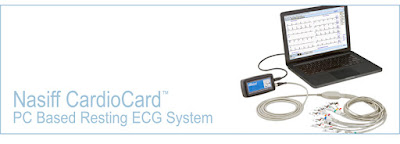
Tip: To effectively calculate heart rate and blood pressure, most clinics and hospitals use a PC Based Resting ECG (Electrocardiogram) device.

Tobacco

Smoking or chewing tobacco increases your chances of getting a stroke. Nicotine can make your blood pressure go up. Cigarette smoke creates a fatty buildup in your main neck artery and also thickens your blood, making it more likely to clot. 

Heart disease

Under this condition, patients tend to have defective heart valves as well as atrial fibrillation, or irregular heartbeat, which contributes to a quarter of all strokes among the elderly. You might also have clogged arteries from fatty deposits.

Diabetes

People with diabetes often have high blood pressure and are more likely to be overweight. Both increase the chances of a stroke. Diabetes can damage your blood vessels, which makes a stroke more likely to occur. If you have a stroke when your blood sugar levels are high, the injury to your brain is larger.

To calculate your heart rate and measure blood pressure, if you are a physician, you should purchase a PC Based Resting ECG system. If you are a patient, you should continue to have annual physicals and if needed, take a Resting ECG test.

Tuesday, 25 June 2019

Cut Costs And Increase Accessibility With PC-based Holter Monitoring Systems


May is the ‘National High Blood Pressure and Stroke Awareness’ month and it’s the perfect time to look into the current situation and work towards a healthier future. Cardiovascular diseases have been one of the leading causes of mortality all over the world- for both men and women. in the United States, in particular, the situation is very critical. In the year 2016, around 840,768 people lost their lives to heart problems and the number is expected to rise by nearly 20% in 2019. According to the American College of Cardiology (ACC), about 1,055,000 coronary events are expected to occur in 2019, taking into consideration 720,000 new and 335,000 recurrent events. Clearly, the condition is worrisome and makes it extremely necessary for heart specialists to upgrade their facilities and use high-performance tools to diagnose/treat cardiovascular conditions. PC-based Holter monitoring ECG systems are one of those important tools.

Cardiologists and electrophysiologists need to observe patients’ heart functioning over an extended period of time in order to diagnose conditions related to irregular cardiac rhythms- atrial fibrillation, tachycardia, atrial flutter, etc. Holter monitoring EKG systems help them in executing this task easily and efficiently. The systems measure the tiny electrical signals emitted by the heart through electrodes and put them into the computer for display and analysis. You can improve accuracy and enable immediate access to patient diagnostic information by using compact, comprehensive and feature-loaded Holter monitoring systems.

Although several systems have been developed for monitoring CVDs, most are only available in medical institutions due to their high costs. PC-based ECG monitoring systems have revolutionized the healthcare sector as they allow professionals to greatly reduce their device cost and increase accessibility.


Tuesday, 28 August 2018

New Technology to Monitor Your Health


It is our fortune to be a part of the world where scientists and doctors work hard day and night just to provide us with better health facilities and care.

Wednesday, 9 August 2017

Common Features Of A Holter Monitoring System

There are occasions when healthcare facilities have to turn to devices that feature the latest technology, to monitor the heart rate of patients from a distance. This is something that is usually done with patients who are still on their road to recovery from recent heart-related conditions, people who are exposed to such conditions, or ones who are currently facing such issues. There are separate wards or rooms for this in most of the clinical facilities.

https://nasiff.com/holter.html


These spaces need the best portable EKG and ECG machines to carry out these monitoring procedures. A Holter monitoring system is a right way to go. These systems help in continuously monitoring heart rate. Medical practitioners ask their patients to put the system on for some time - in which they figure out the heart condition.

https://nasiff.com/portable-ekg-ecg-monitor-machines.html
 

Now, not every Holter monitoring system on the market has all the required features. You need to look for a system that has a heart rate display, pacemaker analysis, and features that disclose vital statistics or figures related to the heart. In addition, it should also feature a recording mechanism. All these features will make sure that the Holter monitoring system is doing all the work that you bought it for. This provides medical practitioners all the information they need to help their patients improve their current condition.

Wednesday, 7 June 2017

Portable ECG Monitor Displaying Accurate Results for the Heart Patients

It is really unfortunate when someone is diagnosed with heart problems as they can attack the patient all of a sudden without giving too much time to recover. In order to gauge the exact situation of the heart patients, a specialized tool known as EKG is used. It monitors the condition of the heart by using a graphical representation known as electrocardiogram or ECG by measuring its electrical voltage.

The heart condition is represented in a continuous graph strip and with the help of these graphs, cardiologists diagnose the actual condition of the heart. ECG is carried out by keeping the patients in different situations such as resting ECG, exercise ECG and 24-hour ECG. In resting ECG, the condition of the heart is checked when the patient is put at rest. The results obtained from the ECG can be seen on the monitor of a PC by connecting it to the machine. Holter system is a better way of monitoring heart condition than the ECG as it records the heart activities continuously for a longer period of time that may last for around 48 hours.

If you require portable ECG monitor or PC based resting ECG for your cardiology center, you can buy them online from the companies manufacturing various medical devices.