Tuesday, 7 January 2020

How Your Weight Affects Your Heart Health


You may have heard of how being overweight contributes to heart disease. But being underweight is just as bad. Heart disease is one of the major causes of death, especially among older people; and research links it with an individuals weight alongside many other health factors. 

But how does your heart health relate to your weight? Since January is Healthy Weight Awareness Month, we thought of explaining how your body weight affects your heart health.


Heart health and overweight

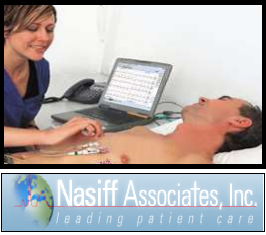
Increased body weight leads to high blood pressure, which increases the risk of a heart attack, stroke, or even sudden cardiac arrest. Research also indicates that excess weight causes high cholesterol a key player in heart disease. It is also linked with diabetes, which is another factor to put your heart health at risk. According to experts, if you are overweight, keeping track of your heart health through portable ECG monitoring can inform you about the oncoming of heart disease.

Heart health and underweight

Being obese isnt the only culprit of heart conditions. People with anorexia an eating disorder characterized by severely low body weight also tends to develop heart disease as they lose more weight, says research. Because people with low body mass index (BMI) are not healthy and often malnourished, they are at a higher risk of developing cancer and health problems, including cardiovascular disease. However, some other factors determine the onset of heart disease. 

Final Note
No matter where you fall on the weight chart, whether you are overweight or underweight, your body weight plays a crucial role in determining your heart health. The best course of action, therefore, is to keep a check on your heart health using a portable ECG to monitor the electrical activity of your health. 

If you are looking for a portable ECG monitoring device, Nasiff CardioCard® PC Based Portable Resting ECG System is a good option to go for. Whats more, on purchase of it, you may stand a chance to get a free product demo and free smart health band that helps you count daily activity. 

Thursday, 19 December 2019

National Diabetes Awareness Month 2019: Preventing Cardiovascular Diseases


November is the National Diabetes Awareness Month, a month when different communities from across the nation come together and step forward to raise awareness about diabetes - a group of diseases that elevate sugar level in the blood. This year's National Diabetes Awareness Month aims to bring attention to the link between diabetes and cardiovascular attention. 


According to studies, diabetic adults are almost twice as likely to die from a stroke or heart attack as people without diabetes. This is because extra sugar in the blood from diabetes increases blood clots or deposition of fat on the walls of blood vessels and damages the nerves that control your heart. However, you can take steps to manage your blood sugar level, which will also mitigate the risk of a heart attack or stroke caused by diabetes. 
Here are the steps:

· Quit smoking or usage of other tobacco products
·  Avoid drinking soda, alcohol, etc.
· Monitor your A1C, blood pressure, and cholesterol levels with the help of ambulatory ECG
· Develop healthy eating habits
· Exercise for at least 4 hours a week 
· Find ways to manage stress
· Take your prescription medicines 

With the increasing number of diabetes cases in the US, there has never been a better time to raise awareness about diabetes and its impact on cardiovascular than November. This November, come together and help make America healthy again. 

If you or your loved one has diabetes, keep a check on A1C, blood pressure with ambulatory ECG.

Tuesday, 17 December 2019

Is Your Pounding Heart A Sign Of Anxiety Or Is It Afib?


You could feel your heart racing or pound arrhythmically and it could be happening due to various reasons. From being excited after getting a piece of good news to feeling nervous due to a job interview, it could be possibly due to anything. People who consume too much coffee or any other thing, which is high in caffeine content, may also experience a phenomenon called 'caffeine jitters'. While you may misconstrue your irregular heartbeats with anxiety, it can sometimes be a serious condition known as atrial fibrillation or AFib.

AFib is a heart rhythm disorder or better known as arrhythmia, in which electrical signals in the heart dont travel the way they do in a healthy heart. Consider it a miscommunication that results in your hearts upper two chambers - atria - to beat too quickly. 
Symptoms of AFib include;

A skipped heartbeat followed by a pound
Heart palpitations or a fluttering sensation
Sweating
Chest pain
Dizziness
Fatigue and weakness


Whats important to understand is that the symptoms of AFib overlap the symptoms of anxiety, which is why its hard to tell if you have anxiety or AFib. 

How to Tell the Difference?
Studies reveal that people with stress or anxiety may develop the condition of AFib or those who already have it may worsen their symptoms. The best course of action, as described by medical professionals, is to keep a check on your heartbeat with the help of a Holter monitor system. It can detect less frequent heartbeat and consequently help you figure out if you have AFib while ruling out the possibility of anxiety. 

If you often have patients with the symptoms of AFiB or anxiety and you face difficulty with the right diagnosis, consider getting a PC-based Holter monitor system to record electrical signals in the heart.